
Polluants.ch
Understanding building pollutants
Asbestos, lead, PCBs, PAHs, HBCD and radon: investigations and interventions depend on the building and your project. These explanations help you understand the results and prepare the next steps.
Pollutants in materials
Often called an “asbestos survey”, a building pollutant survey can cover several substances. We define useful investigations according to the construction period, materials and planned work. A targeted assignment may also focus solely on asbestos.
| Pollutant | Examples of relevant materials |
|---|---|
| Asbestos | Tile adhesives, renders and plaster, floor coverings, fibre cement, putties and insulation. |
| Lead | Old paints and anti-corrosion coatings. |
| PCBs | Some sealants, paints and old equipment. |
| PAHs | Tar-containing materials, some waterproofing products and adhesives. |
| HBCD | Some older polystyrene insulation. |
These examples guide the investigation. Identification relies on inspection and, depending on the material, measurements or laboratory analysis.
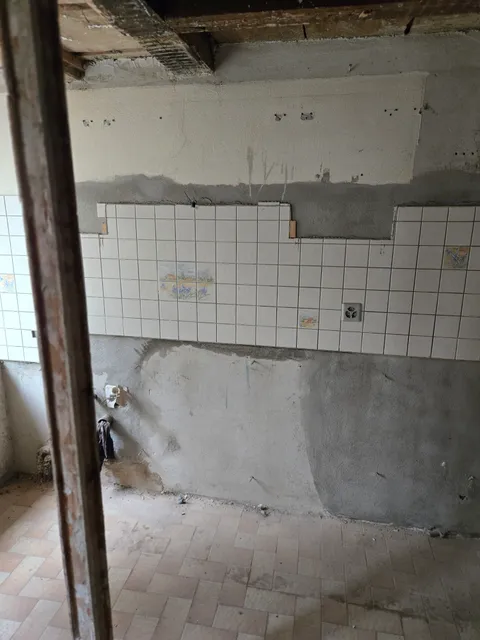
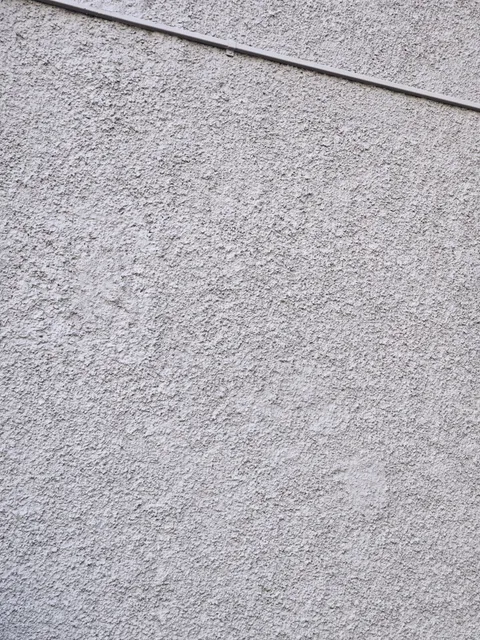
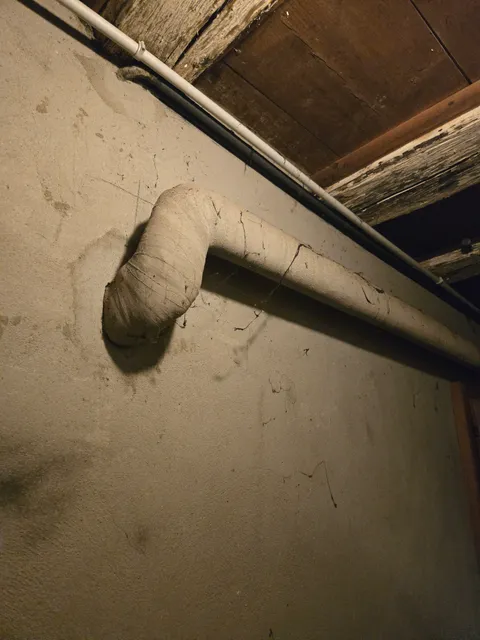
A photograph or a material’s appearance cannot confirm or rule out a pollutant. The necessary sampling and analyses are defined during the survey.
Radon is measured in the air
Radon is a naturally occurring radioactive gas, mainly from the ground. It can enter and accumulate in buildings. Its concentration is measured in the air; a material analysis cannot assess it.
Radon diagnosis
A continuous electronic measuring device is installed in each room in contact with the ground. Measurements generally last one week. We analyse the results and, where necessary, propose a mitigation solution suited to the building. This short, non-recognised diagnostic measurement does not replace a recognised long-term measurement.
Radon mitigation
We design and carry out work to reduce radon concentrations over the long term: depressurisation, ventilation or sealing. We check the solution’s effectiveness after the work. A long-term measurement completes the verification under the applicable protocol.
Understand the result and decide what comes next
A suspect material must be checked. When a pollutant is confirmed, we interpret the result according to the material’s condition, location and the planned work. Its presence does not automatically require immediate removal; the report specifies the useful precautions and interventions.
Do not break, sand or sample a suspect material yourself. Have the investigations defined before work that could affect it.
Let’s discuss your project
Provide the address, construction period and your project. Attach any available plans, photographs or existing results. We will define the appropriate approach with you.
The building in pictures
Unsure about
a material?
Explore materials worth checking.
A photo provides a reference, not a diagnosis.
The next step
Your project deserves
a clear starting point.
Describe the building and what you are planning.
Documents can follow later.
We can communicate in French, German, English or Spanish.