

Our services
Survey before building work or demolition: act at the right time
In a renovation or demolition project, a pollutant survey is not a last-minute formality. Carried out early enough, it allows any remediation work to be included in the budget, programme and building permit. If left too late, it can hold up a site that is already organised.
This page helps you plan: when to contact us, what to prepare and how the results fit into the rest of your project.
When should you contact us?
Ideally as soon as the project is defined, before the permit application and contractor tenders. At that stage, you know which parts of the building will be affected, and the report can be included in the application.
Useful milestones:
- Before the permit application: in Switzerland, the client must state the anticipated waste and possible pollutants (PCBs, PAHs, lead, asbestos) in the application when the site will produce more than 200 m³ of waste or pollutants are suspected (Art. 16 ADWO). Several cantons require a survey for older buildings; in Neuchâtel, this applies to alterations and demolition of buildings constructed before 1994.
- Before tenders: contractors can price remediation on a precise basis.
- At the latest before work starts on suspect materials.
What you can prepare
- the address and construction year, even if approximate;
- a description of the work: which rooms and elements (floors, walls, ceilings, façade, roof, installations);
- building plans, if available;
- a few photos of the rooms and materials concerned;
- previous survey or renovation reports;
- contact details for the person who will provide access.
You do not need all of these to request a quotation: we fill in the gaps together.
Who is involved?
- The client (property owner), responsible for the information submitted with the permit.
- The architect or engineering consultant, who defines the work and integrates the findings into the project.
- Contractors, who must know about hazardous materials before starting work.
- Occupants, who need to be informed of the visit.
We are happy to liaise directly with the architect to define the scope.
How the assignment proceeds
These timeframes add up: allow for them in your schedule, especially if the permit application has a fixed submission date.
What the report contributes to your project
- a list of pollutant-containing materials, located on plans or room by room;
- information for the waste disposal plan submitted with the permit;
- a basis for remediation tenders;
- recommendations on the sequence of work.
If the project changes
Projects often evolve: an extra room or an added façade. If the scope expands, the survey can be extended to the new areas. Simply let us know before the work concerned starts.
Inaccessible areas
Some materials only become visible once work has started, for example beneath a floor or behind a lining. The report identifies these areas. If necessary, we return after initial stripping to complete the survey before those materials are disturbed.
Frequently asked questions
Is a survey mandatory for minor work? That depends on the canton, building and work. Even without a formal obligation, Suva recommends establishing whether asbestos exposure is possible before any work in a building constructed before 1990.
Can a survey take place in an occupied building? Generally, yes. We arrange the visit with the occupants or property manager.
Must an existing survey be repeated? Not necessarily. An existing report may be reused if it covers the areas affected and meets current requirements. Send it to us and we will tell you whether it is sufficient.
Editorial draft pending approval. Unconfirmed evidence, conditions and passages remain reserved for review.
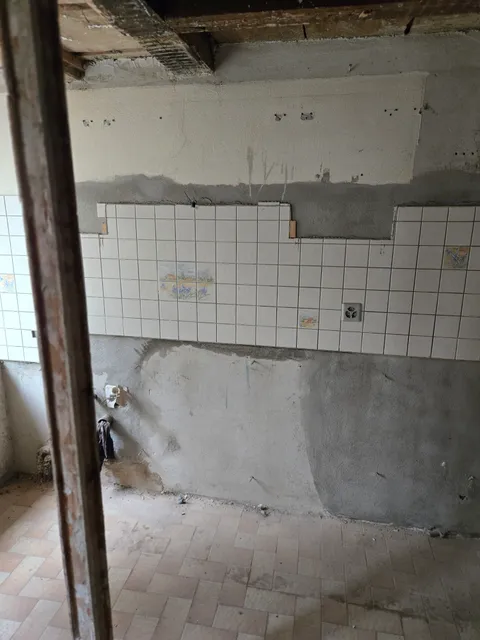
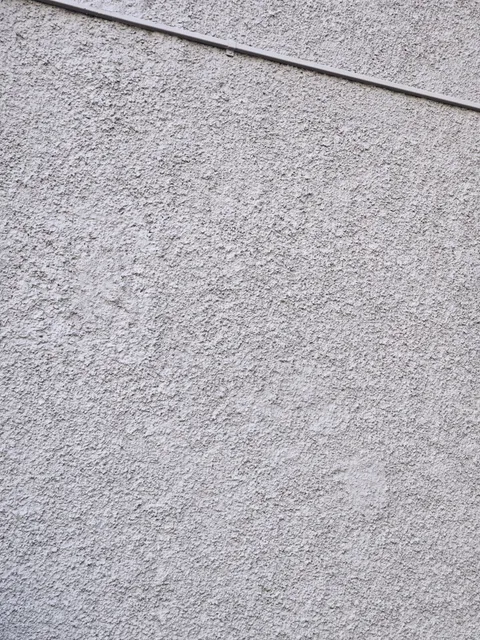
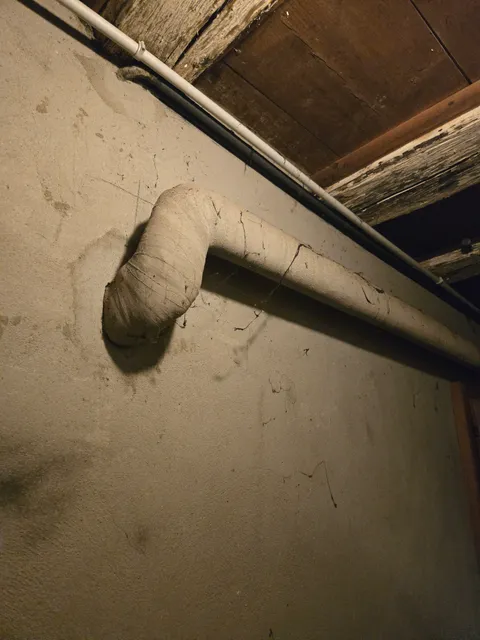
The building in pictures
Unsure about
a material?
Explore materials worth checking.
A photo provides a reference, not a diagnosis.
The next step
Your project deserves
a clear starting point.
Describe the building and what you are planning.
Documents can follow later.
We can communicate in French, German, English or Spanish.